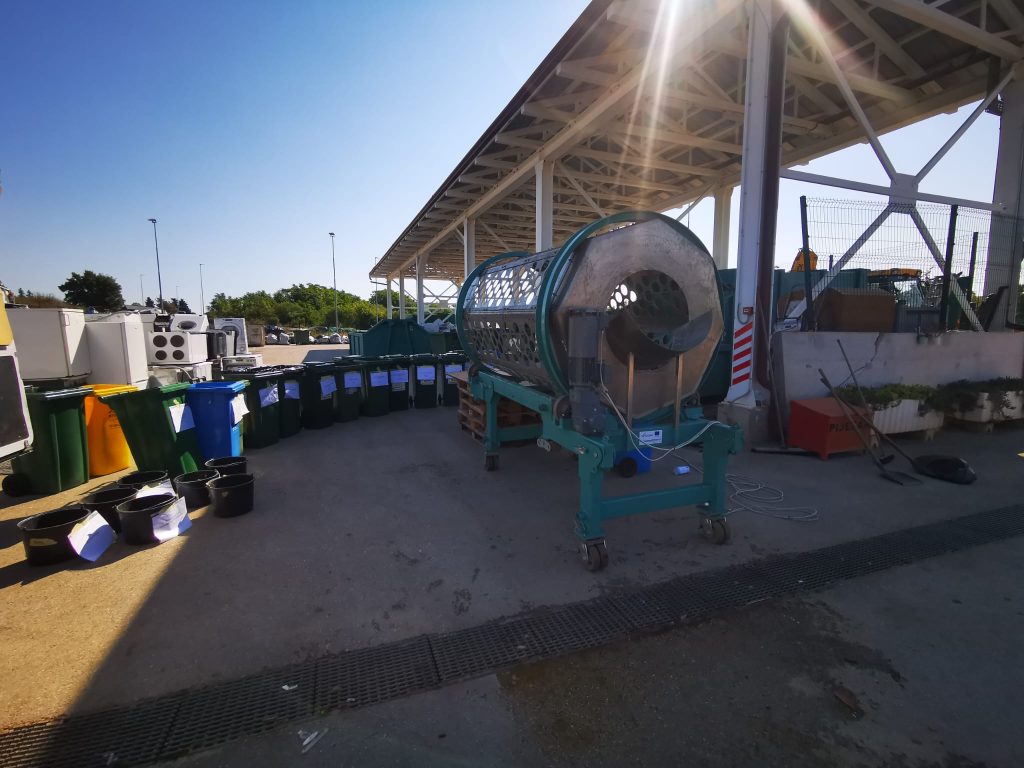
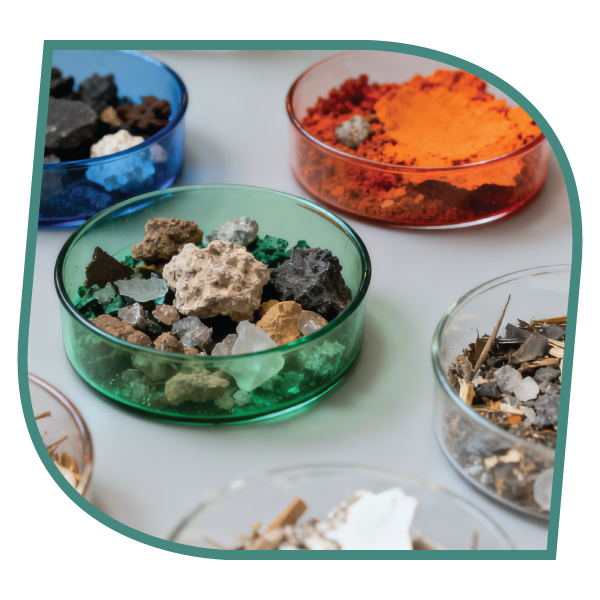
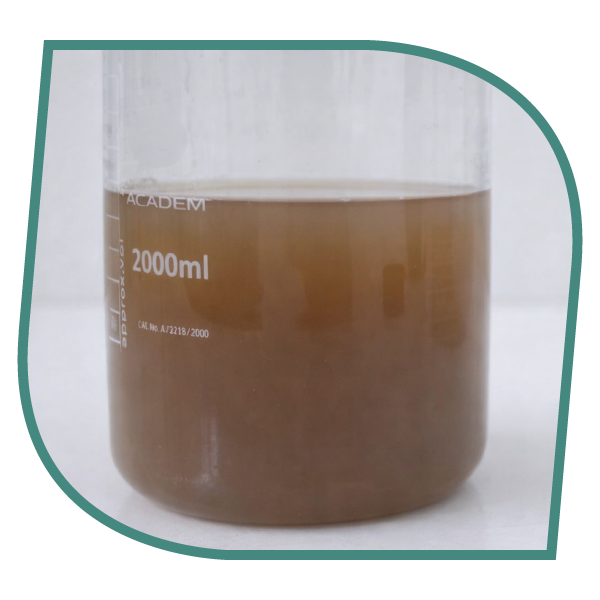
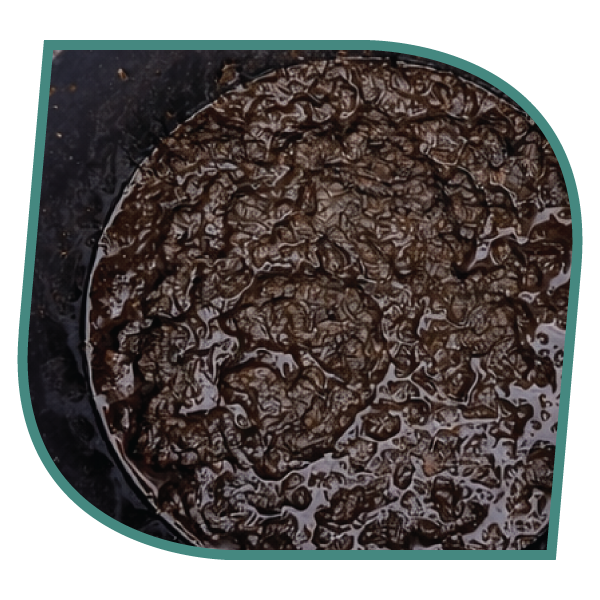

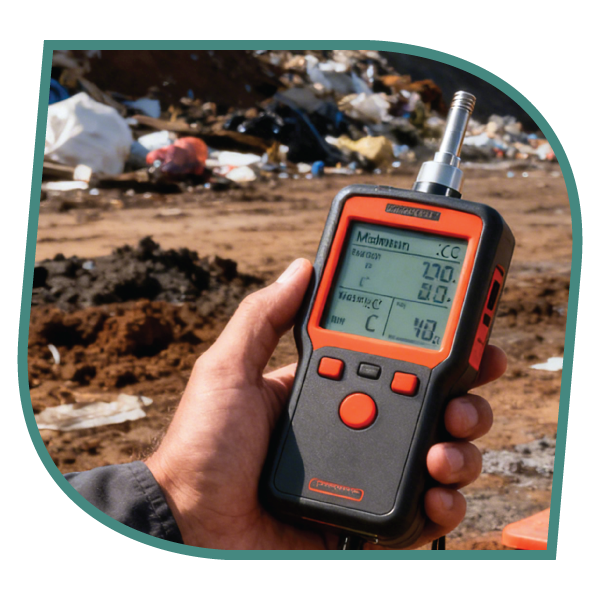



We collect representative field samples directly at client facilities and analyze them in our accredited laboratory in accordance with recognized standards. Our laboratory testing includes physical, chemical, and biological parameters required to define design input values, including load variability and seasonal or operational fluctuations. These data form the foundation for reliable scaling solutions and technology development.

Based on the assessment of existing conditions and laboratory results, we develop technical solutions tailored to each client’s requirements. When designing solutions, we consider plant capacity, influent characteristics, discharge requirements (public sewer systems or natural receiving waters), and circular economy principles. To support detailed process development, our laboratory is equipped with reactors, measuring instruments, and pilot-scale systems that allow us to simulate real operating conditions. Through pilot testing, we evaluate process efficiency, optimize operating parameters, and validate treatment concepts before full-scale implementation. This approach significantly reduces investment and operational risk while ensuring long-term sustainability of the selected solution. We also place strong emphasis on optimizing energy, chemical, and resource consumption while minimizing the plant’s environmental footprint throughout its lifecycle.

Our multidisciplinary engineering team prepares complete project documentation, from conceptual designs and feasibility studies to detailed engineering documentation and permit applications. All documentation is developed in accordance with current legislation, technical regulations, and applicable standards while maintaining close coordination with clients and regulatory authorities.

We deliver turnkey treatment plants tailored to each client’s needs. Our services include detailed engineering design, equipment procurement and delivery, site organization, installation of process and electrical equipment, and integration of automation and control systems. The final stage includes functional testing and preparation for plant commissioning.

We provide professional technical supervision during construction to ensure full compliance with project documentation, technical standards, and contractual requirements. We monitor construction quality, installed equipment, and adherence to project timelines.

After construction and functional testing are complete, we perform staged commissioning with continuous monitoring of process parameters and adjustment of operating conditions. We also prepare operational manuals and provide professional staff training to ensure safe, efficient, and long-term stable plant operation.

After project completion, we perform functional and other tests to verify that the treatment plant achieves the required operational parameters and effluent quality.

We provide preventive and corrective maintenance, scheduled service inspections, and 24/7/365 technical support. Our systematic maintenance approach extends equipment lifespan, minimizes downtime risk, and ensures high operational efficiency.
We implement SCADA and PLC automation and control systems that enable continuous plant monitoring, analysis of key process parameters, and rapid response to operational deviations or fluctuations in wastewater flow and loading. We place particular emphasis on reducing energy, chemical, and labor consumption.
We perform technical assessments of existing systems to identify capacity limitations, energy losses, and operational inefficiencies. Based on our findings, we recommend retrofits, upgrades, and modernization of technological process lines to improve efficiency, ensure compliance with new regulatory requirements, and extend plant service life.